
10 Hidden Reasons Your Invisalign Treatment Isn’t Working (and How to Fix It!)
May 15, 2025
Invisalign is the most comfortable and convenient appliance for teeth straightening in Mumbai.
However, for the successful orthodontic treatment with Invisalign clear aligners, there are a few factors that need to be in place.
Invisalign is found to be as effective as traditional braces.
If Invisalign is not working for you, then this is the blog for you.
Invisalign has transformed modern orthodontics by providing a clear, comfortable, and highly effective alternative to traditional braces. At Embrace Orthodontics, we have seen how Invisalign treatment in Mumbai has helped many patients achieve healthier, more confident smiles. However, despite its many advantages, Invisalign requires strict adherence to treatment protocols for optimal results.
If you are experiencing delays or feel that your Invisalign is not progressing as expected, you are not alone. Several factors can influence the effectiveness of your aligners. In this article, we discuss 10 common reasons why your Invisalign treatment in Mumbai might not be working as planned — and how we can help you get back on track toward the smile you deserve.
1. Not wearing aligners for 20-22 hours a day
Not wearing aligners for the required amount of time (20 hours minimum) per day is the most common reason why aligners don’t track well. Ideally, you should remove the aligners only for eating, drinking and brushing.
2. Not using a chewy
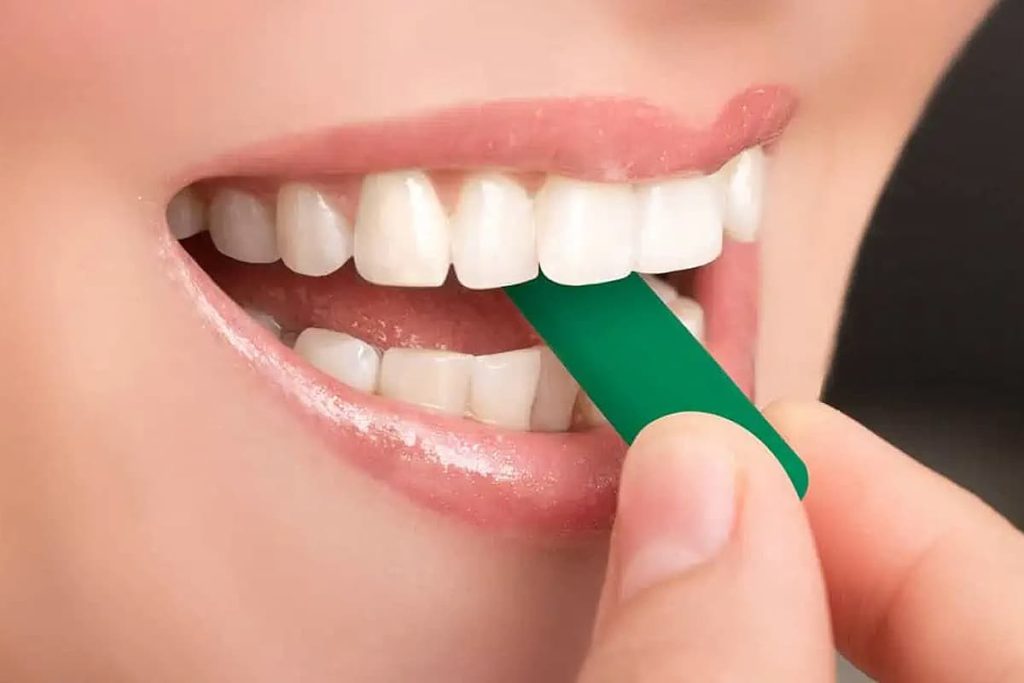
The 2nd most common reason is not using the chewy. Use of a chewy ensures that the aligners are gripping the tooth well.
3. Not using aligners in the recommended sequence
Every aligner is programmed to shift your teeth gradually. That is why it is important to use the sequence prescribed by your dentist.
4. Skipping aligners in between
Jumping the sequence and skipping the aligners in between never helps in finishing the treatment faster rather it would make the treatment more painful and uncomfortable.
5. Poor oral hygiene
Accumulation of plaque and tartar on the teeth can lead to gum inflammation and reduces the efficiency of treatment.
6. Short clinical crowns
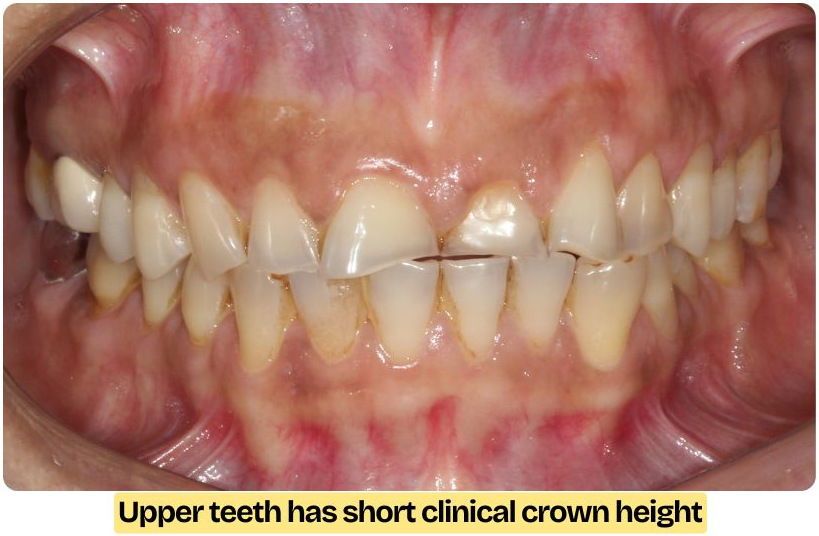
Aligners (Invisalign) work by gripping the tooth from all the sides. Better grip ensures predictable tooth movement. Short clinical crowns, Mis-shaped teeth like peg laterals need bigger attachments to increase the surface area of the tooth.
7. Severe malocclusions requiring auxiliaries
Some complex malocclusions like severe underbite and overbite, where the amount of discrepancy requires use of auxillary treatment approaches or surgical correction (orthognathic jaw surgery) along with Invisalign to be successful.
8. Poor gum and bone health
Patients with mobile teeth and active gum disease are not good candidates for clear aligner treatment.
9. Relying too much on AI and software-created plans
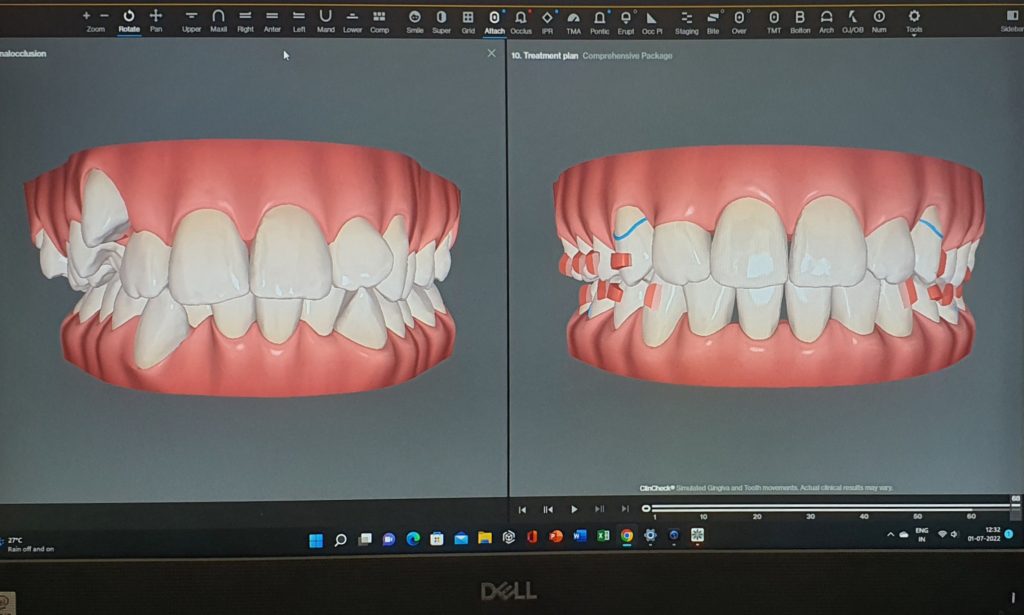
While Invisalign uses advanced software to map your treatment plan, it’s important to remember that real-life results depend on clinical judgment, not just a computer model. Sometimes, plans created by lab technicians (who aren’t orthodontists) may miss crucial details like bone structure, bite dynamics, or root positioning. If your doctor isn’t closely customizing or monitoring your plan — and just “approving” what the software suggests — your treatment might not move as intended.
10. Choosing an experienced Invisalign Provider
The key is having an experienced provider who understands when to override or adjust the technician’s plan based on your specific case.
Want to know more Tips and Tricks of Invisalign Treatment?
Here we have 10 tips for a successful Invisalign Treatment.